
Basic IT Support Is No Longer Enough
Growth Requires Strategy, Security, and Reliability
For years, many businesses relied on basic IT support. If something broke, they called someone to fix it. If a computer slowed down, a ticket was submitted. If the internet went down, everyone waited.
That model may have worked in the past. It does not work for modern businesses.
Today, technology drives operations, customer service, communication, security, and growth. When IT is reactive, businesses lose time, money, and momentum.
That is why more companies are moving beyond basic IT support and choosing proactive managed IT services.
The Problem: Reactive IT Creates Expensive Problems
Basic IT support usually focuses on fixing issues after they happen.
That means businesses often deal with:
- Unexpected downtime
- Slow response times
- Security gaps
- Aging equipment
- Frustrated employees
- Lost productivity
- No long-term planning
Waiting until something breaks is like waiting for your car engine to fail before getting an oil change.
It is disruptive, expensive, and avoidable.
Why It Matters: Technology Impacts Every Department
IT problems do not stay in the IT department.
When systems fail:
- Sales teams lose access to CRM tools
- Customer service slows down
- Employees cannot collaborate
- Leadership loses visibility
- Customers lose confidence
Even small disruptions can create ripple effects across the business.
Reliable technology keeps operations moving and protects revenue.
Common Mistakes Businesses Make
1. Choosing Price Over Value
Low-cost providers often deliver minimal support.
They may fix tickets, but they rarely improve your environment.
2. Ignoring Cybersecurity
Many businesses assume antivirus software is enough.
Modern threats require layered protection, monitoring, training, and planning.
3. No IT Roadmap
Without strategy, technology spending becomes reactive and wasteful.
Businesses buy tools they do not need while missing upgrades they do need.
4. Accepting Downtime as Normal
Slow systems, recurring issues, and outages should never be considered normal.
Best Practices: What Modern IT Support Should Include
Businesses need more than repairs. They need a partner.
Modern managed IT services should include:
Proactive Monitoring
Issues are detected early before they become disruptions.
Cybersecurity Protection
Threat detection, patching, backups, MFA, and employee training.
Help Desk Support
Fast, friendly support when employees need help.
Strategic Planning
Technology budgeting, lifecycle planning, and business alignment.
Vendor Management
One trusted point of contact for all IT vendors.
Business Continuity
Backups and disaster recovery plans that actually work.
The Tech Squared Solution
Tech Squared helps businesses eliminate the stress and uncertainty of reactive IT.
Our all-inclusive support model is designed to improve uptime, strengthen cybersecurity, and create a clear technology strategy.
Instead of wondering what will break next, clients gain confidence knowing their systems are monitored, supported, and aligned with growth goals.
We believe IT should help you move forward—not hold you back.
If your current IT support only reacts to problems, it may be time for a better model.
Tech Squared helps businesses move from frustration to confidence with proactive support and strategic guidance.
Schedule a consultation today and discover what Gap-Free IT really looks like.
About the Author
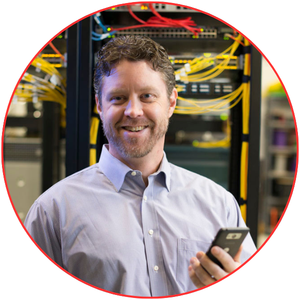 Sean C. Peters is the President and Founder of Tech Squared Inc., an IT services firm he started in 2002 to help businesses solve real technology problems. With over two decades of hands-on experience, Sean and his team specialize in cybersecurity incident response, disaster recovery, and keeping critical systems running when it matters most. He’s led recovery efforts for municipalities, healthcare organizations, and small businesses after major cyber events, often stepping in when previous providers couldn’t get the job done. Sean combines senior-level technical expertise with a straightforward approach that cuts through the noise. When he’s not recovering networks or mentoring his team, he’s focused on protecting the clients who count on him to keep their businesses secure.